Mindset from Web3.
Depa was born from the belief that financial infrastructure needed constant innovation.
Our team blends decades of banking and crypto experience with a startup spirit — fast, lean, and open. We work flat, move fast, and build with both B2B and B2B2C in mind.
Because what we build ultimately reaches end users — and that’s where the impact happens.
Built with purpose.
Driven by innovation.


From MVP to regulated infrastructure provider.
Depa started in Valencia, Spain and is now an international venture-backed startup with presence in Canada and USA - serving clients globally.
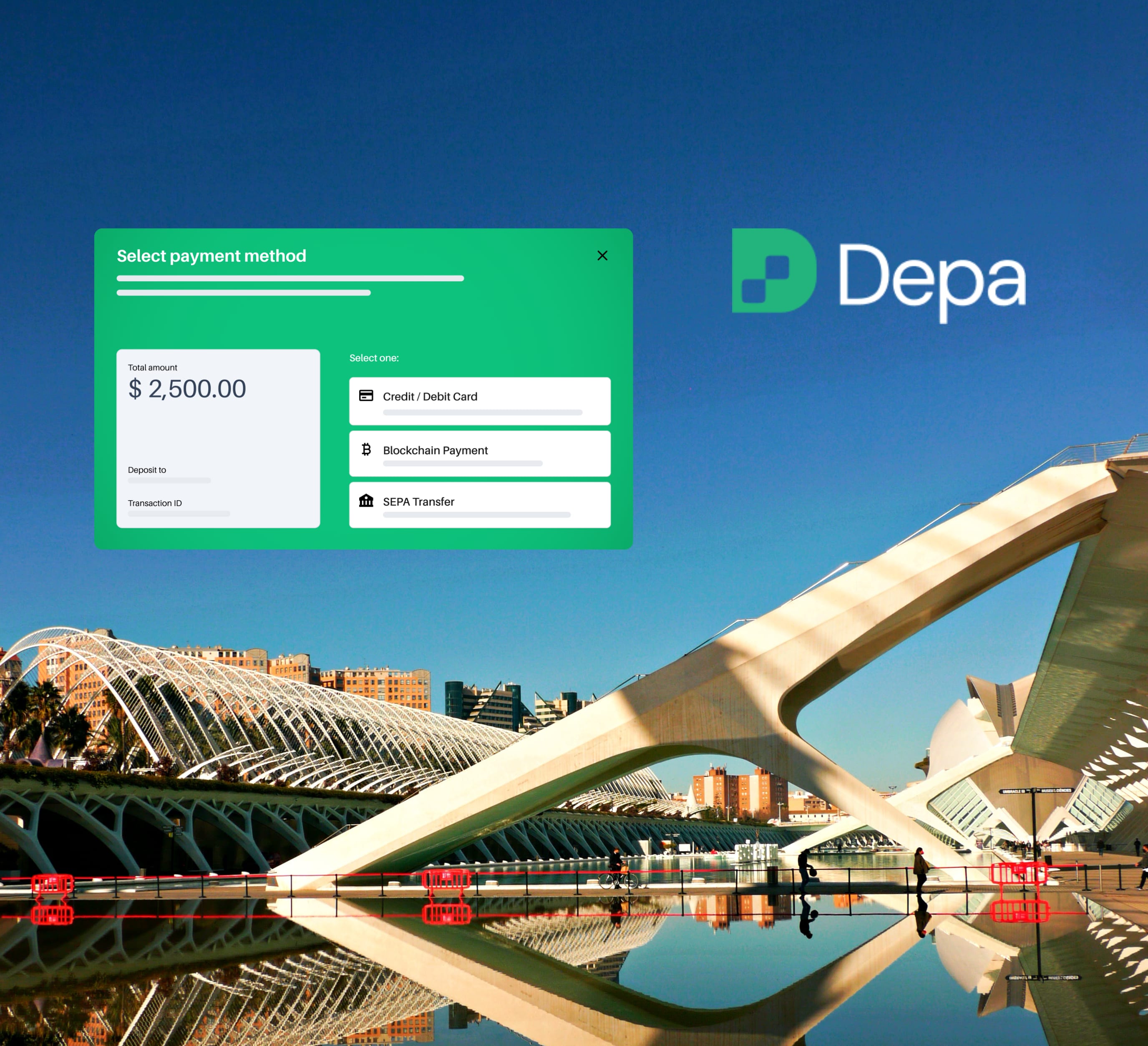
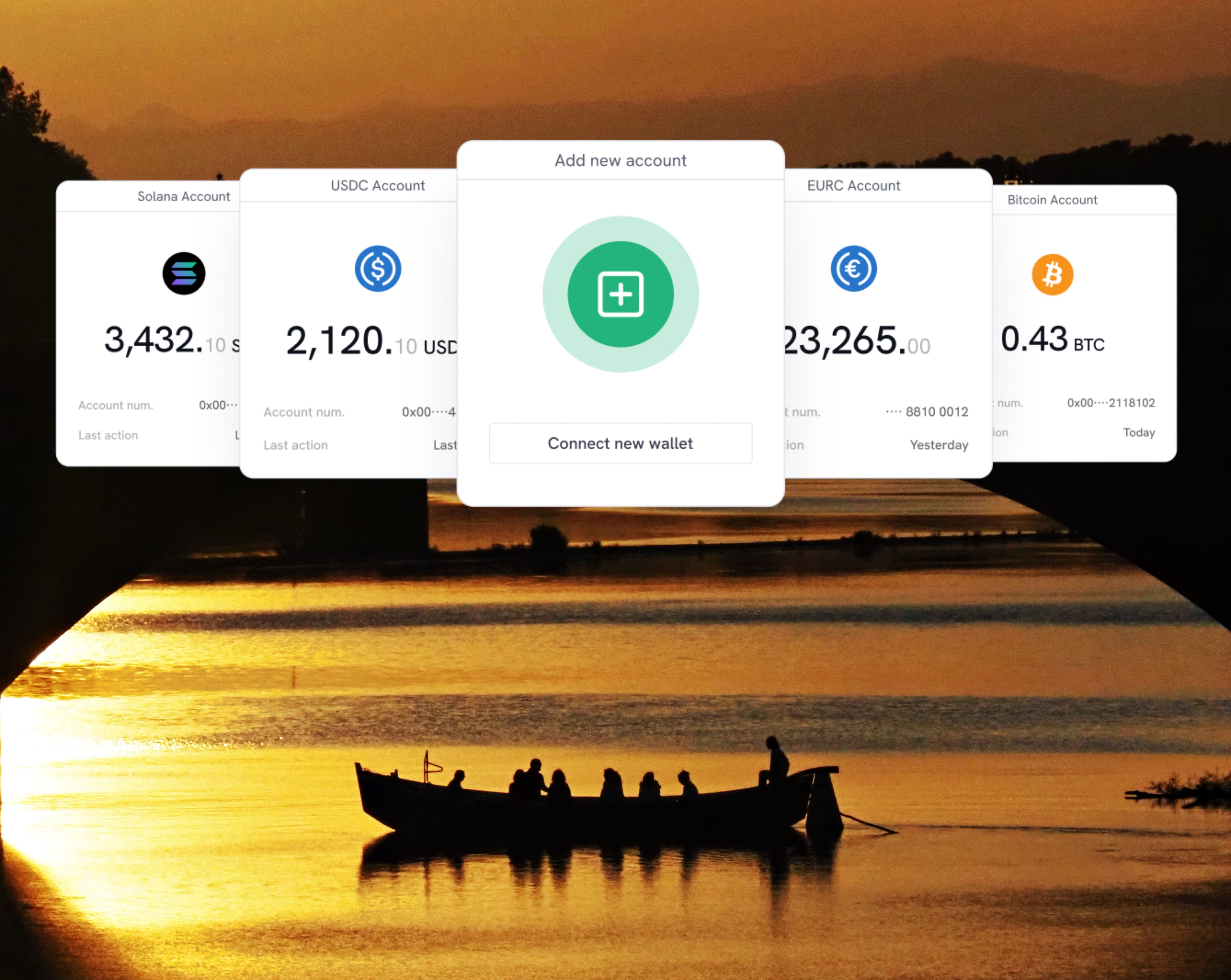
Our proprietary Depa OS provides a seamless experience for clients across the Depa Ecosystem.
Compliance isn’t an obstacle, it’s a principle.

Culture of Excellence.
Honesty & Respect above all.


Frequently Asked Questions
How can businesses lower the cost of cross-border payments?
Depa replaces costly correspondent banking with stablecoin rails and fiat payouts. This enables faster settlement, lower fees, and global reach across 200+ countries.
Can companies pay vendors and employees in both fiat and stablecoins?
Yes. With Depa, you can run payroll in stablecoins and pay vendors in fiat from the same account, with real-time reconciliation.
How can businesses manage liquidity between stablecoins and fiat?
Depa provides best execution liquidity, fiat accounts (EUR, USD), and MPC wallets — all in one integrated platform.
How can finance teams keep their crypto and fiat treasury audit-ready?
Depa’s unified ledger records every transaction in real time, ensuring transparency and making reporting simple for finance teams and auditors.
How do companies ensure compliance when moving funds between crypto and fiat?
Depa integrates KYC, KYB, AML, and transaction monitoring so every payment — fiat or crypto — is compliant by default.
How does Depa secure wallets and client funds?
Depa uses MPC wallets, regulated custodians, and transaction monitoring to protect funds and ensure enterprise-grade security.
What is the fastest way to set up compliant crypto-to-fiat payment flows?
Depa provides a single API for on/off-ramps, compliance, and treasury management, letting businesses go live in days, not months.
How long does it take to integrate Depa into my business?
Most companies can integrate Depa within a few days thanks to our plug-and-play API and dedicated onboarding team.
Do I need a development team to connect Depa’s API?
Yes. Even though Depa offers no-code dashboards for quick start and APIs for custom integrations, you should have your own team to integrate APIs.
Who can benefit from Depa Finance?
Depa is built for fintechs, Web3 companies, payment institutions, and corporates needing compliant fiat and crypto payment flows.
Can Depa support payment institutions, PSPs, and fintechs?
Yes. Depa provides on/off-ramps, liquidity, and compliance modules that scale with financial institutions’ needs.
How can Depa help Web3 companies manage both fiat and crypto flows?
Depa unifies fiat and digital asset payments under one platform, allowing Web3 companies to pay, receive, and manage treasury seamlessly.
What are the fees for using Depa’s services?
Depa provides transparent pricing with competitive fees for both fiat and stablecoin transactions. Costs vary by volume and region.
Can Depa support businesses as they expand internationally?
Yes. Depa is designed for scale, covering 200+ countries, multiple currencies, and 24/7 settlement in stablecoins and fiat.
Can Depa support multi-entity or multi-country businesses?
Depa enables multi-entity accounts, multi-currency support, and consolidated reporting, making it easy for growing companies to manage global operations.